Source Mitsubishi Lancer Lower Ball Joint for Suspension Repair
Find 30 listings for the mitsubishi lancer lower ball joint to compare OEM specifications and pricing. Evaluate options from Chinese manufacturers offering ISO certifications and stock availability for reliable vehicle maintenance and replacement needs; compare the available evidence and request quotations based on your requirements.
Key considerations
Products List
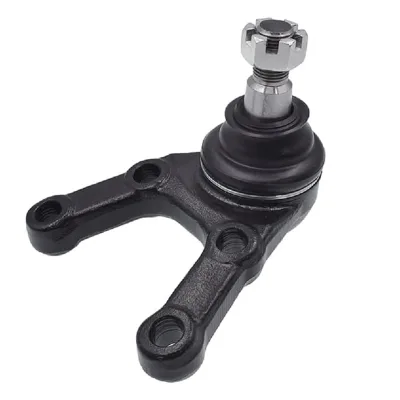


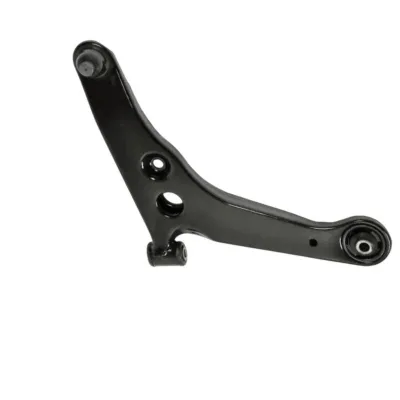
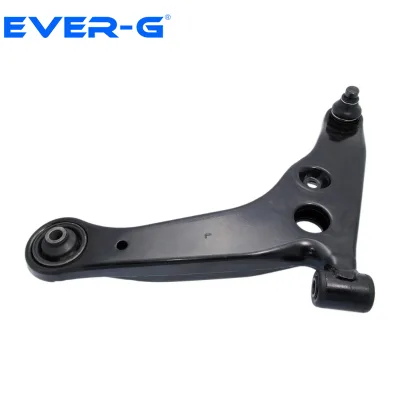
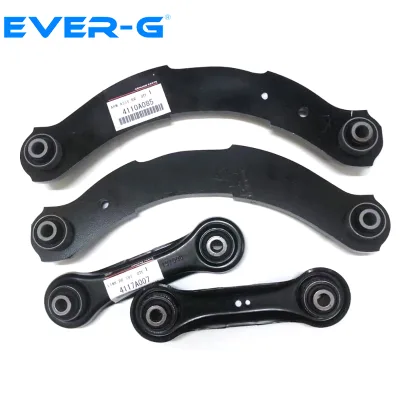
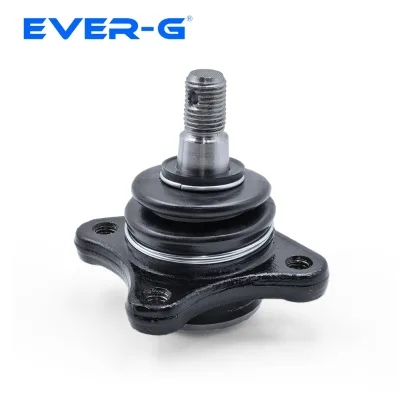


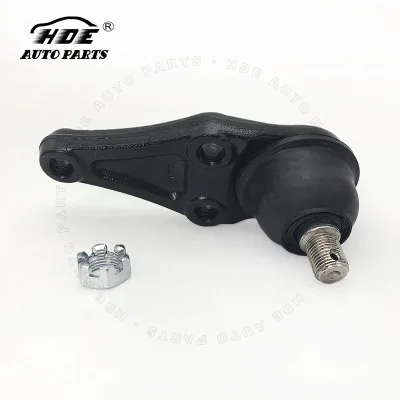

Comprehensive Sourcing Guide
Mitsubishi Lancer Lower Ball Joint Sourcing Guide
Procuring replacement suspension components for the Mitsubishi Lancer requires a disciplined approach to ensure vehicle safety and long-term reliability. The lower ball joint is a critical pivot point that connects the control arm to the steering knuckle, directly influencing handling precision and ride stability. Buyers must prioritize components that match original equipment dimensions to prevent premature wear or alignment issues. This guide outlines the essential verification steps for sourcing these parts, focusing on technical accuracy, supplier credibility, and commercial terms.
Sourcing decisions should be driven by clear evidence of manufacturing quality and supply chain transparency. The market offers various options, ranging from generic replacements to specialized aftermarket solutions, each with distinct implications for inventory management and customer satisfaction. By understanding the specific attributes of available listings, buyers can mitigate risks associated with fitment errors and quality inconsistencies. This structured approach ensures that procurement teams select suppliers who can consistently deliver parts that meet rigorous automotive standards.
Product Scope and Observed Listing Signals
The observed product landscape includes ball joints explicitly designed for Mitsubishi models, with specific references to the Lancer and related platforms like the Pajero and L200. Listings frequently cite original equipment numbers such as MB176308 and MB17630B, which serve as primary identifiers for compatibility verification. Buyers should note that while some titles mention broader vehicle makes like Kia, Mazda, or Volvo, the core focus remains on Mitsubishi applications. This discrepancy highlights the need for careful cross-referencing of part numbers rather than relying solely on brand names in product titles.
Inventory signals indicate a mix of stock availability and production-based fulfillment, with some suppliers claiming large stock levels of one thousand pieces. Delivery timelines vary significantly, ranging from immediate dispatch for stock items to longer periods for customized orders. Pricing structures are often described as factory prices, suggesting competitive margins for bulk purchases. However, the absence of explicit unit costs in the provided data necessitates direct negotiation to determine true landed costs. Buyers must distinguish between neutral packaging options and branded solutions, as this affects both storage efficiency and end-user perception.
Technical Specifications to Verify
Dimensional accuracy is paramount when selecting lower ball joints, as even minor deviations can compromise suspension geometry. Buyers must verify that the product size matches the original equipment standard, ensuring proper fitment without modification. The observed specifications mention standard sizes aligned with OEM requirements, which is a positive indicator for compatibility. Additionally, the position of the ball joint, whether left or right, must be clearly defined to prevent installation errors. Misidentification of the fitting position can lead to incorrect part ordering and subsequent operational delays.
Material composition and construction quality are equally critical factors that influence the lifespan of the ball joint. While specific material grades are not detailed in the provided facts, buyers should inquire about the durability of the housing and the integrity of the ball stud. The presence of certifications such as IATF16949 and ISO9001 suggests a structured quality management system, which often correlates with consistent manufacturing practices. Buyers should also confirm whether the product includes necessary accessories, such as grease fittings or protective boots, to ensure complete functionality upon installation.
Compliance and Safety Documentation
Regulatory compliance is a non-negotiable aspect of automotive component sourcing, particularly for safety-critical parts like ball joints. The observed listings mention various certifications, including ISO9001, IATF16949, and NADCAP, which indicate adherence to international quality and aerospace standards. These certifications provide assurance that the supplier follows rigorous processes for design, production, and inspection. Buyers should request valid certificates to verify their current status and scope, ensuring that the supplier’s quality management system is actively maintained and audited.
Safety documentation should also include test reports and performance data that validate the component’s durability under stress. While specific test results are not provided, buyers should ask for evidence of fatigue testing and load-bearing capacity assessments. The warranty terms, often cited as twelve months, offer a layer of protection against early failures, but the conditions of this warranty must be clearly understood. Buyers need to ensure that the warranty covers both parts and labor, and that the supplier has a clear process for handling claims and replacements.
Cost Drivers and Commercial Terms
Pricing for ball joints is influenced by several factors, including material costs, manufacturing complexity, and order volume. The observed minimum order quantities range from ten to five hundred pieces, allowing flexibility for different procurement scales. Buyers should analyze the cost per unit at various volume tiers to identify the most economical purchasing strategy. Additionally, the availability of free samples can help evaluate quality before committing to larger orders, reducing the risk of investing in substandard components.
Payment terms and delivery logistics also play a significant role in the total cost of ownership. The observed payment methods include letters of credit, Western Union, and various bank transfers, offering options for different financial arrangements. Delivery times vary based on stock availability and customization needs, with some items shipping within three to fifteen days. Buyers should factor in shipping costs and potential customs duties when calculating the final price. Clear communication regarding lead times is essential to maintain inventory levels and meet customer demand without excessive stockpiling.
Supplier Qualification and Quality Control
Evaluating supplier qualifications is essential to ensure a reliable partnership for ongoing procurement needs. Buyers should assess the supplier’s production capabilities, including their factory location and manufacturing processes. The observed origins include Zhejiang and Guangzhou, regions known for automotive parts manufacturing. Understanding the supplier’s location can help assess logistical advantages and potential risks related to supply chain disruptions. Buyers should also verify the supplier’s ability to provide customized services, such as private labeling or specific packaging requirements.
Quality control measures should be rigorously examined to ensure consistent product quality. Buyers should inquire about the supplier’s inspection processes, including incoming material checks and final product testing. The mention of neutral or customized packaging suggests flexibility in meeting specific buyer requirements, which can be beneficial for branding purposes. Additionally, buyers should confirm the supplier’s ability to provide traceability for each batch, ensuring that any quality issues can be quickly identified and addressed. A robust quality control system is a strong indicator of a supplier’s commitment to excellence.
Long-Term Procurement Checks
Establishing a long-term procurement strategy requires continuous monitoring of supplier performance and market trends. Buyers should regularly review supplier delivery times, product quality, and responsiveness to issues. Consistent performance in these areas is crucial for maintaining operational efficiency and customer satisfaction. Additionally, buyers should stay informed about changes in automotive standards and regulations that may impact the sourcing of ball joints. Adapting to these changes ensures that the procurement strategy remains compliant and competitive.
Building a diversified supplier base can mitigate risks associated with single-source dependencies. Buyers should identify alternative suppliers who can provide similar products with comparable quality and pricing. This diversification strategy provides flexibility in case of supply chain disruptions or changes in supplier capabilities. Furthermore, buyers should maintain open communication with suppliers to foster collaboration and innovation. Regular feedback and joint improvement initiatives can lead to better product designs and more efficient procurement processes, ultimately benefiting both the buyer and the end-user.
FAQs
What OE numbers are compatible with the Mitsubishi Lancer lower ball joint?
The compatible OE numbers are MB176308 and MB17630B. These parts are designed for replacement and repair purposes. They fit various models including Mitsubishi Lancer and L200. The product is available for both right and left positions. Ensure the correct part number is selected for your specific vehicle application to guarantee proper fitment and safety.
Can I get a free sample for the Mitsubishi Lancer lower ball joint?
Free samples are available upon request. You must contact the supplier directly to arrange this. The sample policy allows buyers to verify quality before placing a bulk order. This service helps ensure the product meets your specific requirements. Please note that shipping costs may apply depending on the destination and quantity requested by the buyer.
Which certifications do the Mitsubishi Lancer lower ball joint suppliers hold?
Suppliers typically hold IATF16949, ISO9001, NADCAP, and AS9100D certifications. Some listings also mention ISO/TS16949 and CE marks. These certifications indicate adherence to international quality management standards. Buyers should verify specific certificates with the supplier. Certified manufacturers ensure consistent quality and reliability for automotive suspension components used in various vehicle makes.
What is the typical lead time for stock items of this ball joint?
Delivery time for stock items is typically one to seven days. For larger quantities or customized needs, it may take three to fifteen days. The exact time depends on the order volume and specific requirements. Big stock availability is often maintained for standard parts. Buyers should confirm current stock levels with the supplier to ensure timely delivery for their projects.
What is the minimum order quantity for the Mitsubishi Lancer lower ball joint?
The minimum order quantity ranges from ten to fifty pieces. Some suppliers list an MOQ of ten pieces, while others require fifty. This variation depends on the specific manufacturer and product line. Buyers should check the specific listing for exact MOQ requirements. Ordering larger quantities may sometimes result in better pricing or more flexible shipping options.
How is the Mitsubishi Lancer lower ball joint packaged for shipping?
Packaging options include neutral packages, EEP brand packing, or customized requirements. The single package size is approximately 16x13x9 cm. The gross weight per unit is around 0.6 kg. Buyers can request specific packaging to meet their logistical needs. Customized packing services are available to ensure safe transport and compliance with buyer preferences.